
The National Commission into the Regulation of AI in Healthcare brings together global AI leaders, clinicians and regulators to advise on AI regulation in healthcare. The Commission aims to support the development of a new regulatory

AI experts and clinicians came together for a PRSB panel discussion exploring how standards can support the safe and effective use of clinical AI across the NHS. The session, Standards in clinical AI: Aligning innovation
The Professional Record Standards Body (PRSB) and NHS England (NHSE) recognise and value the significant contributions of clinicians, professionals, people, and key health and care stakeholders from across the country in supporting the development of
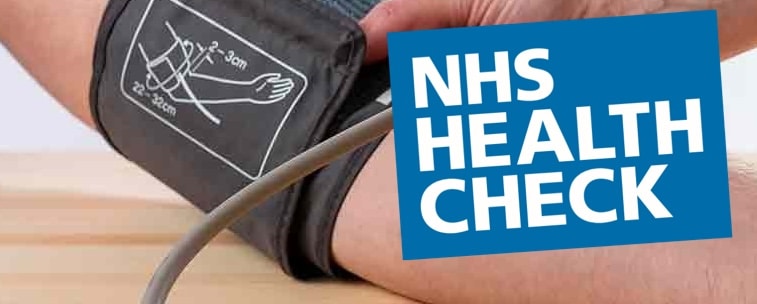
PRSB has been commissioned by the Department of Health and Social Care (DHSC) to help define who should be invited for an NHS Health Check. This builds on our previous work developing an information standard

We created the Professional Record Standards Body (PRSB) in 2013, intentionally independently of the NHS and government. PRSB is the UK’s authority on specification of clinical data recording standards for health and social care. Since
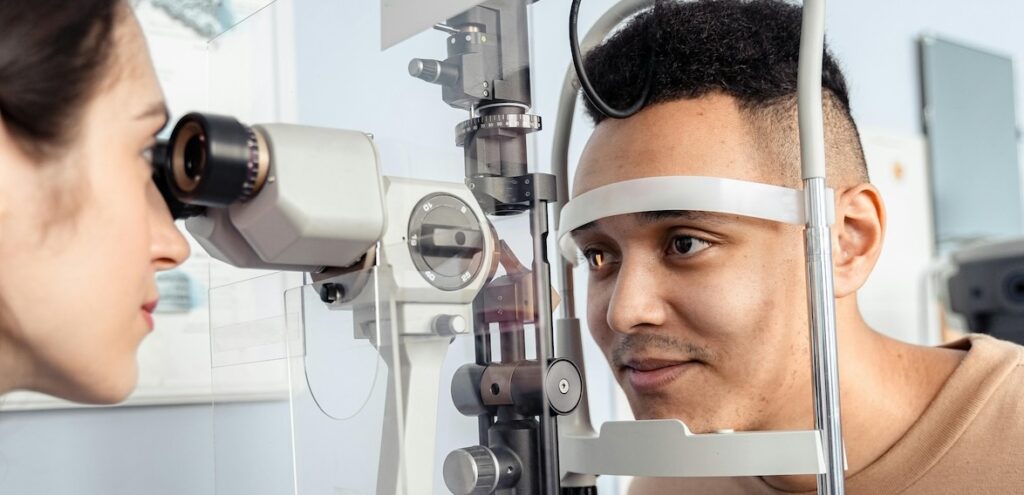
PRSB has joined a coalition of leading organisations calling for urgent national standardisation of electronic health records (EHRs) in eye care. A new position statement published by The Royal College of Ophthalmologists emphasises that standardised

As the health and care sector moves towards a more data-driven future, our members have shared their perspectives on the recently published 10-year plan. Their feedback highlights key opportunities, current successes to build on,

Young people with Type 1 diabetes are playing a central role in shaping how their health information could be recorded and shared in the future, thanks to a pioneering pilot project by DigiBete using the

The idea of a Single Patient Record (SPR) is not new, but today, it feels closer to becoming a reality than ever before. As the healthcare sector undergoes sweeping digital transformation, the vision

We sat down with Oliver Lake, PRSB’s new Transition CEO, to ask him a few questions about his experience, what drives him, and a bit about life outside of work. What initially drew you to

In an ever-evolving digital and policy landscape, PRSB’s Members and Partners continue to face both persistent challenges and emerging opportunities in health and care data. We’ve gathered insights into the key issues shaping their work

The Professional Record Standards Body (PRSB) has announced the appointment of Oliver Lake as its new Transition Chief Executive Officer. He will officially take up the role in April 2025. As an experienced leader with

Shared care records help ensure that our health and care information, including medications, allergies, test results, can be easily accessed by different health and care organisations, resulting in more connected care. An accessible, more joined-up

We’re delighted to announce that we’ve been chosen to lead a consultation for NHS England to explore how person characteristics are used in clinical decision making and improve how they are recorded in care records.

The DHSC and NHSE will introduce changes to Information Standards through the Department for Science, Innovation and Technology (DSIT) upcoming Data Bill. This is one of the wider enablers designed to deliver the necessary step-change

We are delighted to welcome GS1 UK as our new Member! Have a look at our Q&A with their Senior Engagement Manager, Georgina Lawton, to find out about her views on information sharing in health
The Professional Record Standards Body (PRSB), dedicated to the development and implementation of standards in health and social care, has responded to the results of the General Election. Lorraine Foley, CEO at the PRSB, said:

The Professional Records Standards Body has today (20th June) announced the appointment of Professor Reecha Sofat as their new Chair. She will take up the role from October 2024. A Clinical Pharmacologist, Reecha brings a passion

Working with our conference partners at Convenzis, we are hosting our inaugural conference – Navigating the Data Frontier: Revolutionising Health and Care Through Data on 20 June at 15 Hatfields Conference Centre in London. With

The Professional Record Standards Body (PRSB) recognises the transformative potential of Artificial Intelligence (AI), machine learning and natural language processing in reshaping health and care. Interoperability is key to enabling the potential benefits of AI
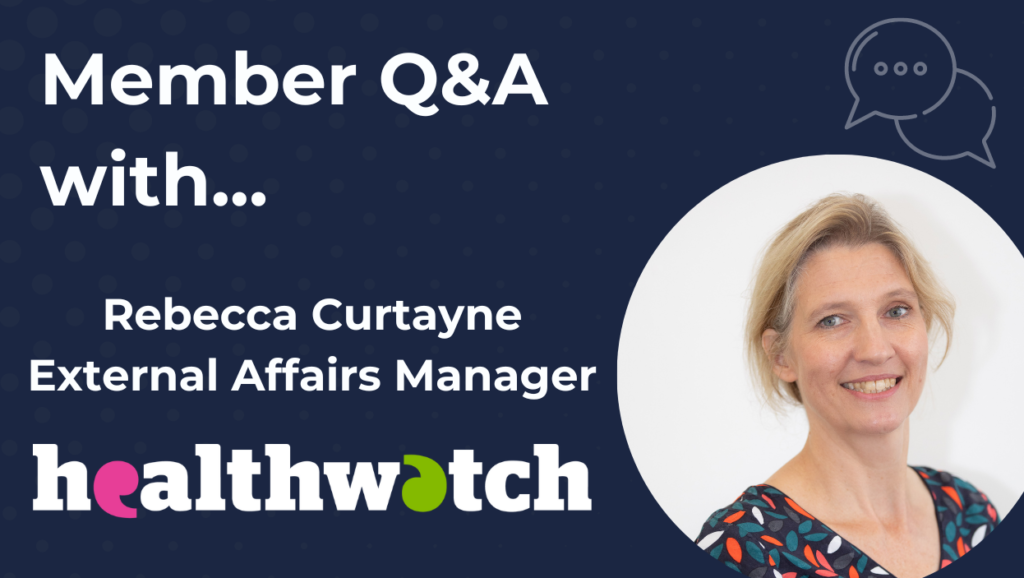
We are delighted to welcome Healthwatch as our new member! Have a look at our Q&A with their External Affairs Manager, Rebecca Curtayne, to find out about their views on information sharing in health and