
PRSB’s conference – Navigating the Data Frontier: Revolutionising Health and Care Through Data

Working with our conference partners at Convenzis, we are hosting our inaugural conference – Navigating the Data Frontier: Revolutionising Health and Care Through Data on 20 June at 15 Hatfields Conference Centre in London. With presentations and discussions led by a vibrant mix of industry experts, we’ll be exploring the practical steps peers have taken […]
How will standards keep AI safe in the NHS?

A blog from co-written with our partner, HD Labs In this year’s budget, the Government pledged an additional £3.4bn to ramp up digitisation and automation in the NHS, motivated by the estimated £35bn in productivity savings technology offers over the next parliament. Whilst technology and automation are a crucial enabler to achieve this short-term opportunity, […]
Position Statement: The Professional Record Standards Body (PRSB) on AI and Health Information Standards

The Professional Record Standards Body (PRSB) recognises the transformative potential of Artificial Intelligence (AI), machine learning and natural language processing in reshaping health and care. Interoperability is key to enabling the potential benefits of AI to be realised more fully. It must be possible to exchange information between systems, to understand the context of the […]
CareDocs partner with the PRSB to improve care records through compliance with our standards
Delivering excellent care starts with ensuring that care providers are able to record and share information in a way that puts residents’ care at the centre, whilst reducing administrative burdens. CareDocs’ digital solution aims to improve the digital recording of care and looks to the PRSB to support their customers to comply with our […]
Member Q&A: Healthwatch
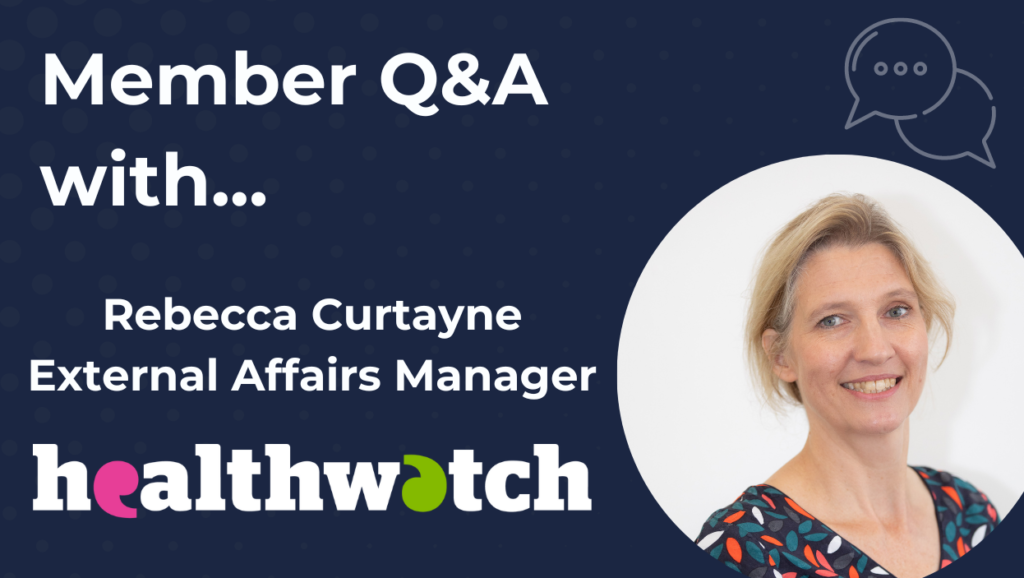
We are delighted to welcome Healthwatch as our new member! Have a look at our Q&A with their External Affairs Manager, Rebecca Curtayne, to find out about their views on information sharing in health and care and the role of standards. What are the challenges people experience about information sharing in health and care settings? […]
Epro are on a mission to improve clinicians’ access to key healthcare information with information standards
To provide quality and effective care, clinicians need to be able to access the right information quickly to help support their decision-making – and this is something that Epro, a modular digital health platform supporting 13 NHS Trusts and over 44,000 NHS users – is doing today. Their solution provides modular EPR extension capabilities, such […]
Leecare Solutions partners with the PRSB to demonstrate its commitment to digital transformation of the eldercare sector
With the ageing population, it is important that technology evolves to meet the needs of people using elderly care services and those that provide this type of care. Leecare Solutions, a software supplier for care of the elderly has joined the PRSB’s Standards Partnership Scheme as they want to help care providers make more informed […]
NHS England awards contract for new data platform

PRSB welcomes NHS England’s announcement that the contract to provide a Federated Data Platform for the NHS and social care has been awarded. Palantir and Accenture named as the contract winners. As an organisation at the vanguard of digital information sharing to improve the delivery of health and care, PRSB is excited about the potential […]
Healthy.io is scaling the adoption of digital wound management with the PRSB
Aligning to national guidance and adopting information standards is fundamental to the successful digitisation of health and care services. Healthy.io, a supplier of digital solutions enabling health and care professionals to interact more effectively with their patients and close gaps in access to care, understand these fundamentals, which is why they’ve become a PRSB partner. […]
Carebeans enables the delivery of personalised care in care homes, domiciliary care and supported living businesses with their new standard conformance achievement
Social care providers using Carebeans’ system will now be able to provide more personalised and effective care to the people they support, as the supplier has achieved conformance against the PRSB’s Personalised Care and Support Plan Standard, becoming a Quality Partner. Carebeans provides innovative digital care management software for the social care sector. With their […]