
This month, we spoke to Dr Steve Bentley, a recently retired GP with a long-standing passion for improving patient care through better use of technology. As a Clinical Lead at PRSB, Steve brings valuable expertise in health informatics and SNOMED CT, along with a problem-solving mindset shaped by years of hands-on experience.
What initially drew you to your field, and how has that passion evolved?
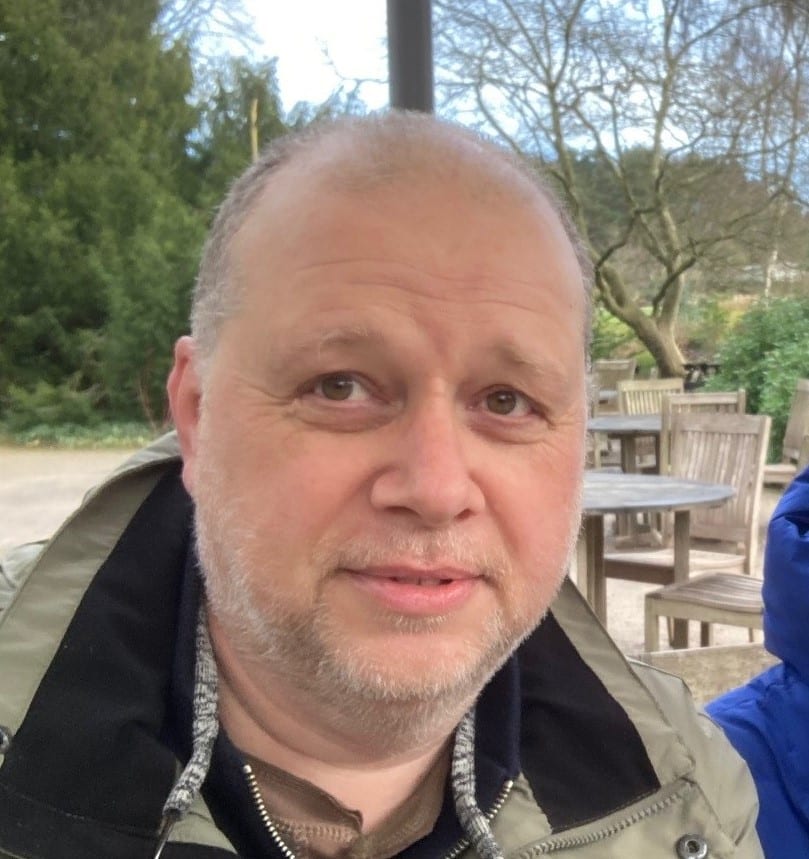
I began my career in general practice in 1992, and from the outset, I was drawn to improving the way we manage patient care, making processes more efficient and safer for both patients and staff. Our practice had an early patient record IT system, and I took on the responsibility of optimising its use. This included implementing Read codes (the predecessor to SNOMED CT) for recording diagnostic information and transitioning our local drug formulary to a standardised national version.
This experience sparked a deeper interest in health informatics, which gradually began to eclipse my focus on clinical practice. I soon took on a leadership role in IT across our local health community, eventually becoming the clinical lead for our local acute trust as it prepared to implement an Electronic Patient Record (EPR) system.
When the National Programme for IT was launched, I knew I had to be involved. My initial role was leading the development of clinical requirements and specifications for what became the Summary Care Record. It was in this capacity that I truly immersed myself in the world of information standards, particularly HL7 and SNOMED CT, which laid the foundation for much of my subsequent work in health informatics.
I’m passionate about solving problems. While information standards come with their own challenges, they are essential to enabling meaningful, interoperable health and social care data.
What excites you about being part of the team at PRSB?
It’s a fantastic team to be part of! We’re all deeply committed to improving health and social care. We collaborate with some of the brightest minds in the field to develop standards that truly make a difference. Standards that matter and have the power to drive meaningful change.
What skill or expertise do you bring to the table?
With extensive experience in both clinical practice and health informatics, I bring a problem-solving mindset shaped by years of hands-on work. I draw on this background to tackle complex challenges and deliver practical, meaningful solutions.
What’s a recent project or initiative you’ve been involved in that you’re particularly proud of?
We recently completed a three-year project to develop SNOMED CT reference sets that accurately represent mental health interventions delivered to patients. This work involved close collaboration with a wide range of clinical experts to deeply understand their evolving practices and ensure these were meaningfully and accurately reflected within SNOMED CT. The second phase of this work is being published this summer.
What difference do you think standards can/do make to health and care?
The introduction of Read codes, and now SNOMED CT, has enabled the rich, structured data analysis we see today in primary care. These standards have transformed how clinical information is recorded, shared, and understood. Similarly, HL7 standards have been instrumental in enabling seamless pathology messaging and GP2GP record transfers, ensuring continuity of care. Without robust information standards, true interoperability in health and social care simply isn’t possible.
What changes do you hope PRSB can make?
The PRSB is a uniquely positioned organisation with the ability to bring together clinical and care professionals, system suppliers, and policymakers. Through this collaboration, it defines information standards that not only enable interoperability but also ensure that health and care information is meaningful, usable, and impactful across the system.
If you could make one change to the health and care sector, what would it be?
We are all users of the health and social care system. From that perspective, I believe our systems should recognise and treat each of us as the unique individuals we are, with respect, compassion, and dignity.
What is your favourite thing about your job?
Working with people who are passionate about health and social care.
Do you have any hobbies or talents?
I play guitar and sing (a little) with a covers band, performing at local pubs and outdoor events. It’s a great way to connect with the community, share some good energy, and have fun making music!